Comparison of presentation builders. How to choose the best presentation service


Presentation Builders: How to Save Time on Design
The choice of presentation tools today is enormous. Neural networks promise to do the job in a minute, traditional editors offer complete control, and new services offer unconventional formats. But behind these promises often lie limitations: unstable performance, template-based designs, and texts that require complete rework.
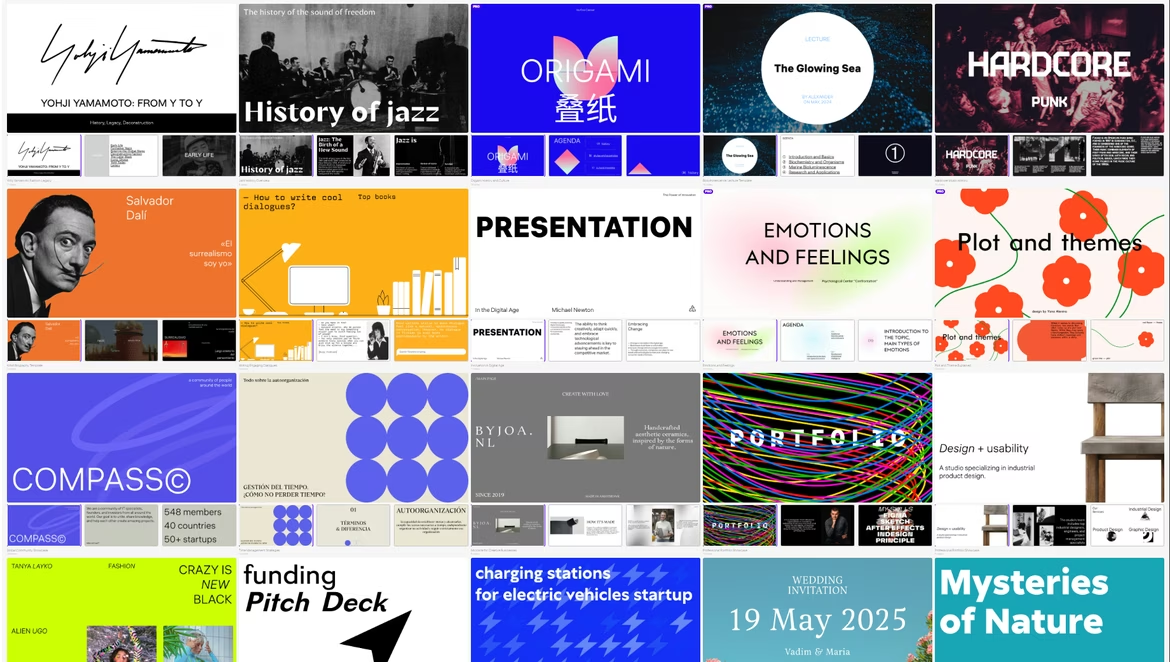
In this article, we compare three presentation builders: Gamma, Prezo, and Fokus from Art. Lebedev Studio. The goal is to help you choose a tool that delivers consistent, professional results without surprises.
Gamma: A Neural Network for Quick Presentations – Pros and Cons
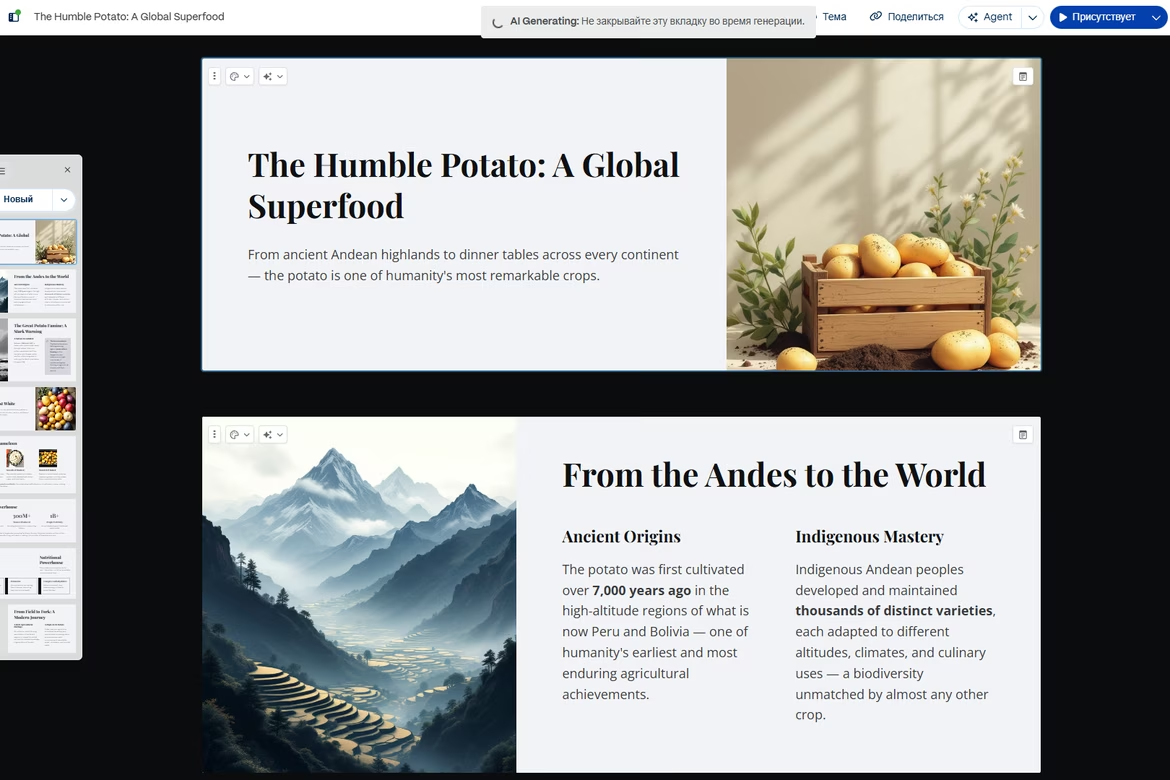
Gamma is a platform marketed as an AI-powered presentation, document, and page generator. The service saves time on formatting: simply enter a topic or insert existing text, and the neural network will suggest a structure, select stock images, and design your slides.
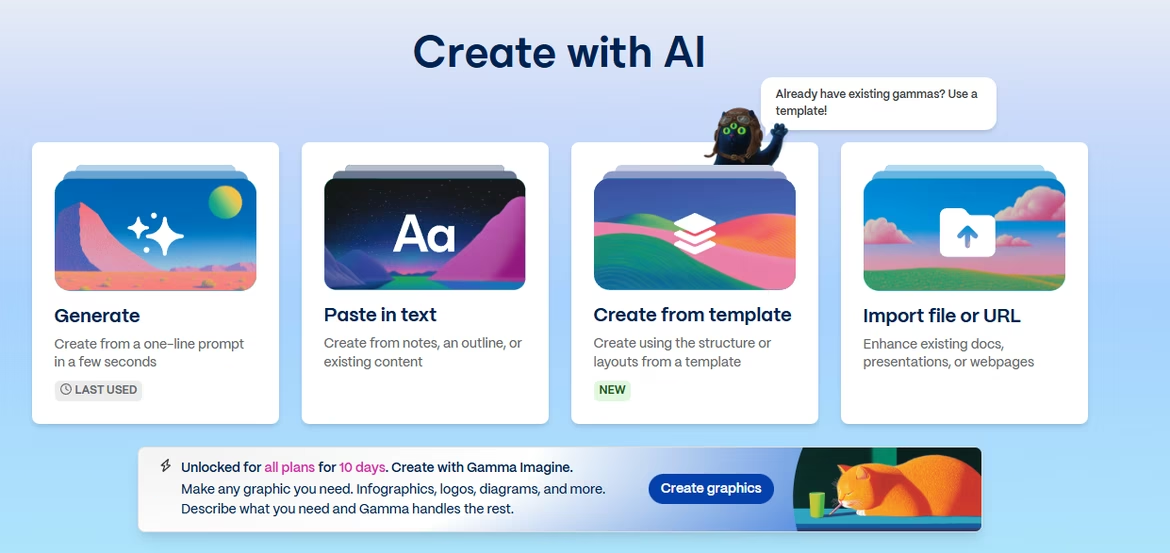
Features of the approach:
- The work is based on text queries. The more detailed the description, the more accurate the result.
- Gamma creates interactive documents: slides scroll like a website, with smooth animation and expanding blocks.
- The free version has a credit system and a watermark.
Difficulties:
The automatic translation of the interface and prompts into languages other than English is often inaccurate, and the texts generated by the neural network require mandatory verification.
Furthermore, the "write a request and get a presentation" approach often leads to formulaic results. The service selects a design based on statistics rather than the project's purpose. This format is convenient for a draft, but it's no longer suitable for the final document that will be delivered to the client.
Prezo: A Simple Presentation Maker – An Overview of Limitations
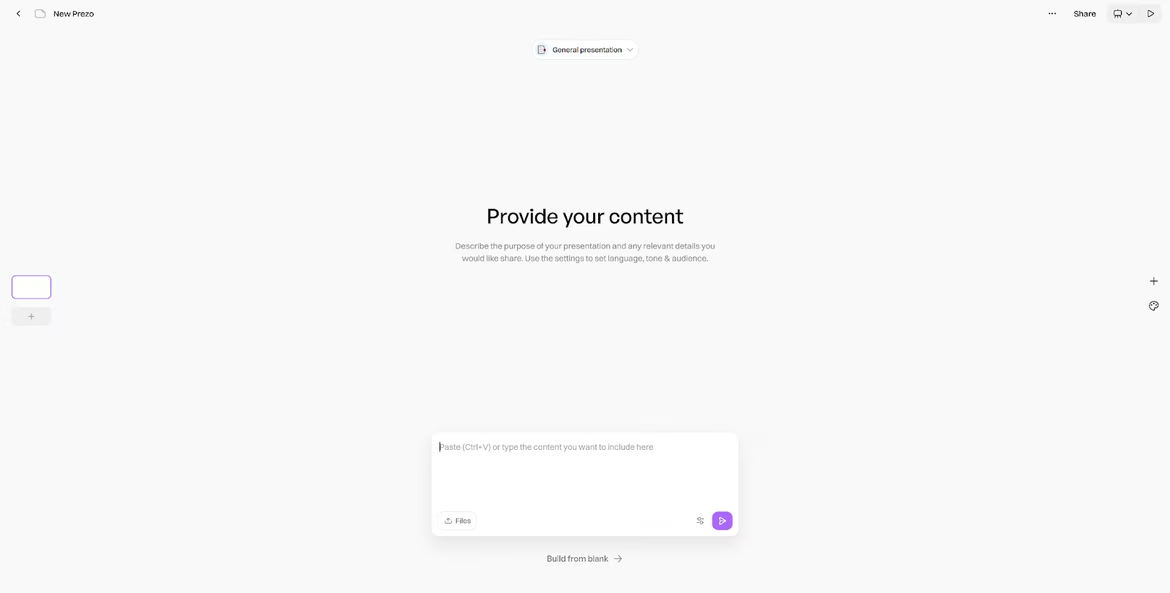
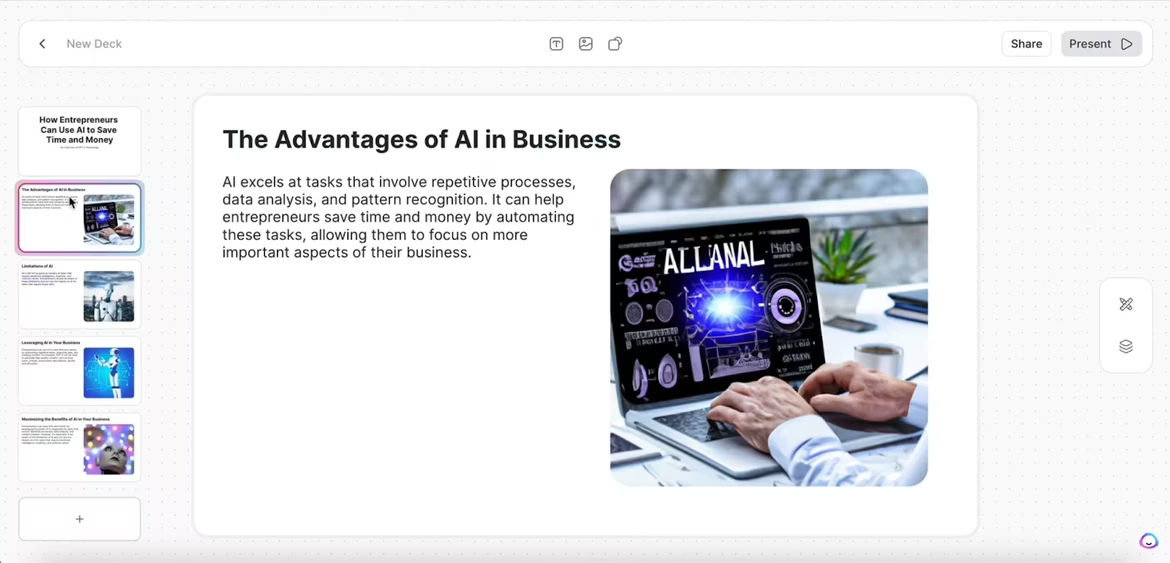
Prezo is another service with a minimalist interface focused on fast generation.
Features of the approach:
- The service offers two options: write a text query or upload a ready-made file, for example, from Google Docs.
- Generation takes about 1 minute. The user selects the image style and the number of semantic blocks.
- The settings set the tone of the presentation: business, educational, and others.
Difficulties:
As with Gamma, the quality of the text remains inconsistent. The neural network makes grammatical and factual errors, although it generally covers the topic. The free version has a limited number of presentations, and advanced features require a subscription.
The main problem with Prezo and many similar AI-based presentation designers is their opaque structure management. It's difficult to influence the flow of presentation if the initial request is poorly formulated. The algorithm automatically determines the structure and sequence of slides, leaving the author with no clear understanding of the final result.
Fokus: Lebedev Studio's presentation builder with professional design
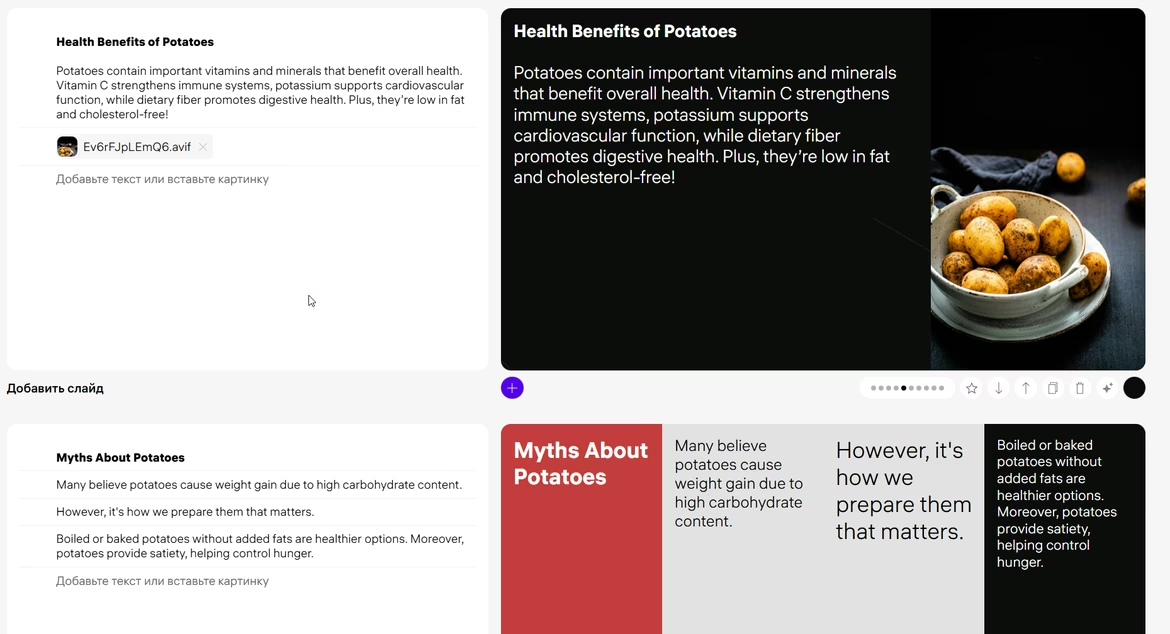
Fokus is a presentation builder from Art. Lebedev Studio. Unlike the services reviewed above, it doesn't attempt to replace the author with a neural network. Instead, it handles all the visual elements, leaving the semantic content to the human designer.
How it works:
The user adds text, images, and other elements. Fokus automatically creates the composition, selects the color palette, and selects fonts. There's no need to adjust indents, alignment, or grid: all elements fall into place automatically.
Key benefits:
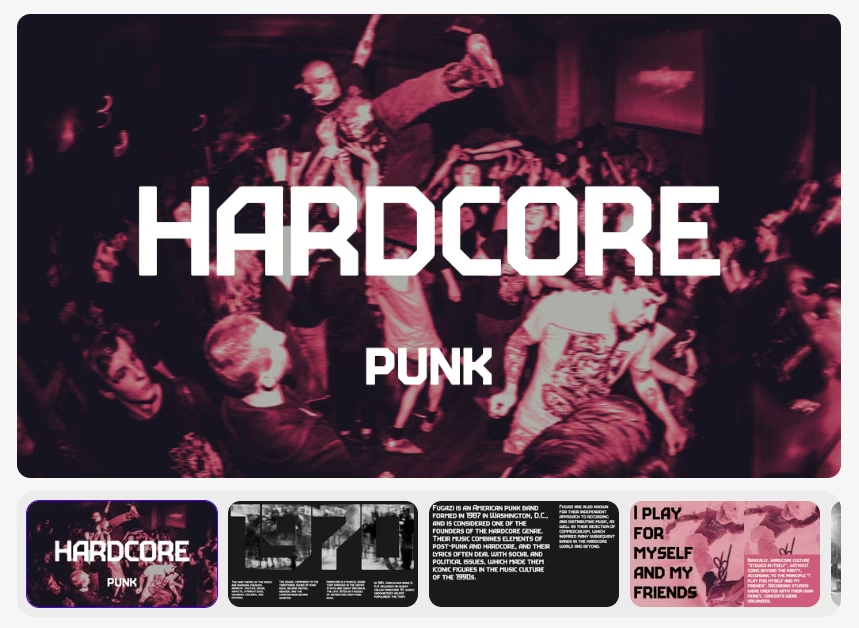
- Fokus selects images for slides but leaves the final selection to the user. This isn't random generation, but a tool that speeds up work and doesn't replace the author's expertise.
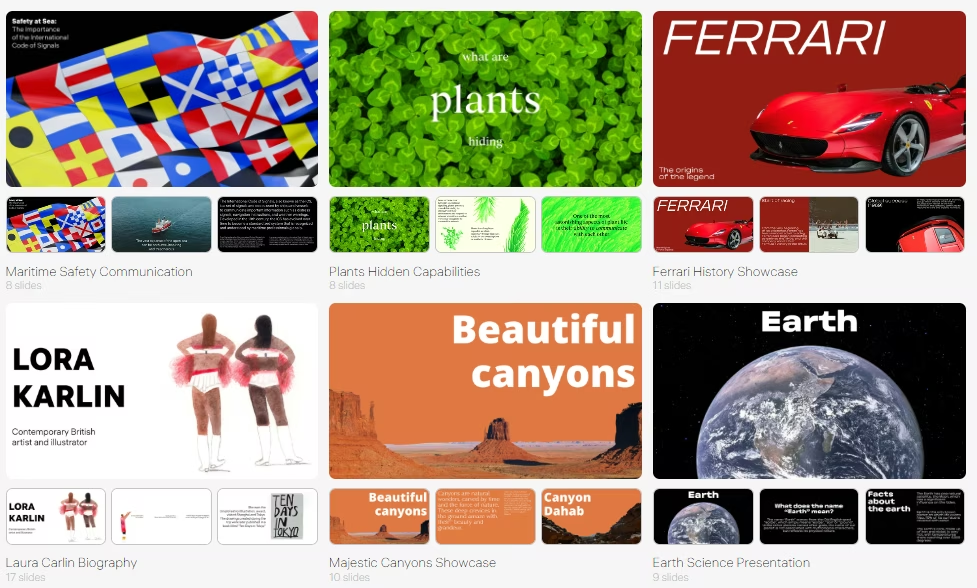
- A presentation in Fokus turns into a website with just one click: slides are assembled into a single scrollable page without any seams between blocks.
- Fokus doesn't use hidden algorithms that alter text without the author's knowledge. The user has complete control over the content, and the service is responsible only for the design. This is a fundamental difference from AI-based text generators, which often create texts with factual errors or in an unbranded tone.
Comparison of presentation creation services: characteristics table
| Criterion | Gamma | Prezo | Fokus |
| Approach | Prompt-based generation | Generate based on prompt or file upload | Automatic content-based design + Prompt-based generation |
| Content control | Low (AI writes and formats, manual editing is possible) | Low (AI writes and formats, manual editing is possible) | High (the author writes, the service designs) |
| Free version | 400 credits (≈10 presentations), watermark on export, 10 slide limit | 5 presentations, no download required, just a link | Up to 10 presentations x 30 slides |
| Cost of the paid tariff | $9–$90 / month | $5–$149 / month | ~$5 / month |
Which presentation builder should I choose?
Gamma and Prezo are convenient for quick prototyping, when you need to sketch out a structure in a couple of minutes. However, the final result almost always requires refinement of the text and design.
Fokus, however, solves a different problem. It's a tool for those who prioritize the quality of the final document over generation speed at any cost. It doesn't contain random images selected by a neural network based on dubious associations. It doesn't contain texts written by an algorithm in the style of clichés and cliches.
Over three years of working with various design tools, I've become convinced that a consistent, professional design quality without surprises is what most AI services lack. Fokus delivers exactly that: predictably high-quality results from presentation to presentation.
For work where every presentation is the face of the project to the client, this approach is not just convenient, but essentially the only possible one. Fokus doesn't promise good design. It already is. Here and now.
Comparison of presentation builders. How to choose the best presentation service  How to Protect Your Logo: Understanding Copyright and Trademark Registration
  Gradients in Logo Design: Secrets of Effective Application for Your Brand